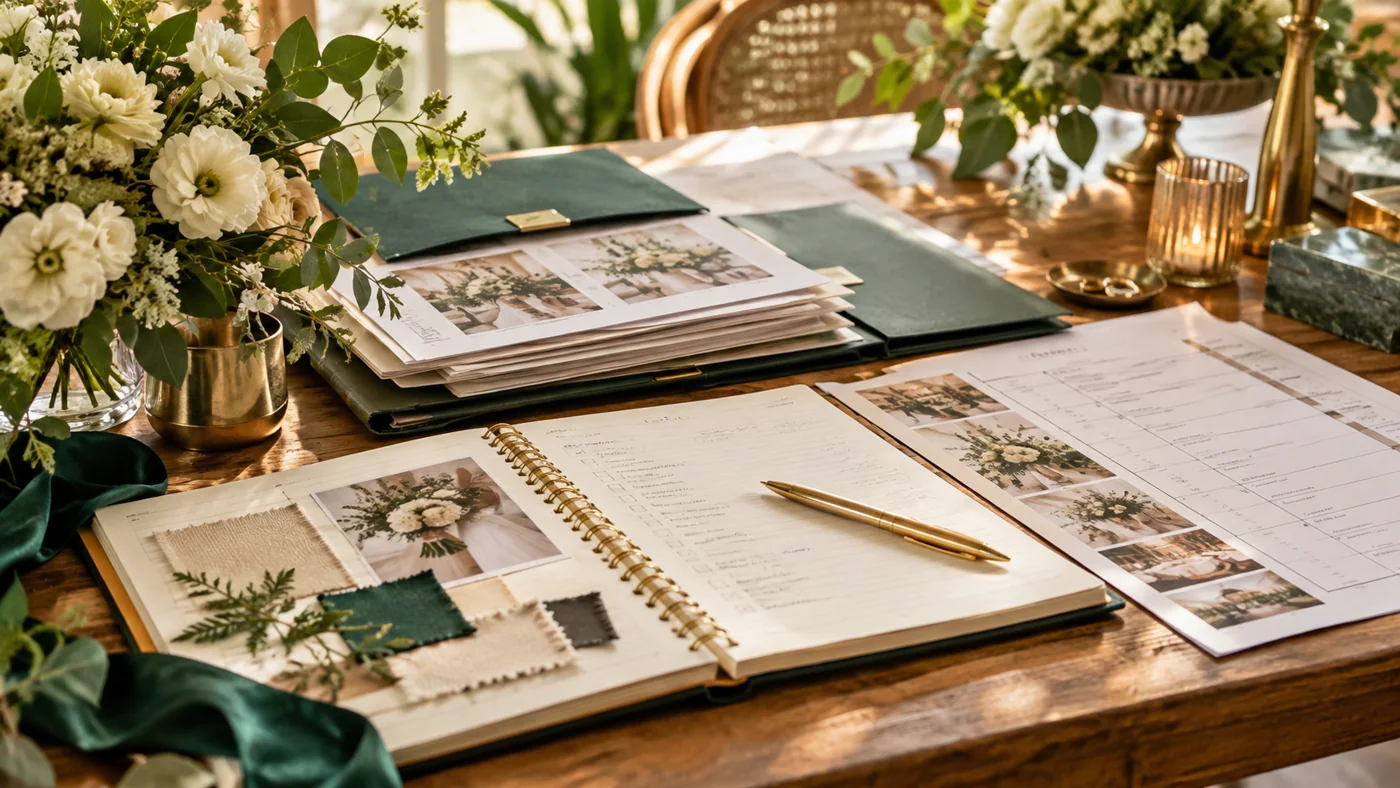
A wedding planning checklist connects the celebration you want with the budget, supplier decisions and timing that make it possible. Keep estimates separate from booked commitments and give each task an owner so the plan does not depend on one person's memory.
A practical workflow
- Agree the priorities, approximate guest count and working budget before comparing suppliers. Track quoted price, confirmed price, deposits paid and remaining payments separately.
- Build a timeline around decisions that affect other bookings: venue, date, catering, travel and key participants. Record what each supplier has actually agreed and where the contract is stored.
- Create a run sheet for setup, arrivals, ceremony, meals, transitions and close-down. Share the relevant version with the coordinator and suppliers, then confirm changes before the day.
Worked example
A budget line might show 'Photography: estimate 1,800; confirmed 1,650; deposit 400; balance 1,250 due on agreed date'. Specify the currency and check the contract rather than assuming all quotes include the same hours, tax or travel. The run sheet should name who cues each transition.
What to check before sharing
Do not let an attractive checklist hide unconfirmed bookings or unpaid balances. Keep guest personal details and private contracts out of publicly shared versions.
Wedding Planning Checklist: Budget, Suppliers and the Run Sheet
Wedding planning often involves many decisions and people. A shared checklist helps couples keep track of what is booked, what still needs a decision and who is handling each task. It is a planning aid rather than a rulebook: traditions, budgets and priorities differ from one couple to another.
Agree on priorities first
Before contacting suppliers, discuss the kind of day you want and what matters most to you. Set a total working budget and record who is contributing, if relevant. Divide it into broad categories such as venue, food, photography, clothing, flowers and transport. Include taxes, service charges and contingency where applicable, and confirm final terms directly with each supplier.
Track supplier decisions
For each supplier, note the contact, service, quoted cost, deposit, due dates, cancellation terms and next action. Keep signed contracts and payment records in appropriate secure storage; a shared planning summary should contain only information the couple and chosen helpers need. Confirm changes in writing with the supplier.
Plan the guest experience
Build a guest list and RSVP timeline. Share practical details such as travel, venue access, schedule and accommodation suggestions. Ask about dietary or access requirements through a suitable private channel. Make the response deadline clear and assign someone to follow up so the couple is not answering the same questions repeatedly.
Create a day-of run sheet
List the key times, locations and people responsible for each transition: setup, arrival, ceremony, photos, meal and departure. Include a contact for the venue and a backup plan for weather or delays. Keep the run sheet concise enough that helpers can scan it on a phone.
Leave room for changes
Dates, supplier availability and guest counts can change. Review the checklist regularly, mark completed items, and update owners and deadlines. Keep one current version so collaborators are not working from old copies.
How early should wedding planning begin?
It depends on the date, location and supplier availability. Confirm any venue or legal requirements with the relevant provider or official source.
Is there a wedding planning template?
The CREATEFOR.YOU wedding planner gives you a structured place for tasks, dates, people and notes. Make it fit your plans and keep private documents secure.
When should we finalise the run sheet?
Prepare an early draft once the main schedule is known, then confirm it with suppliers and the venue before their deadlines. Keep a dated final copy and a clear contact for changes.